Wind propulsion beyond cargo: new possibilities in cruise vessel design
Wind propulsion is moving beyond cargo shipping. In a new case study, Wallenius Marine and Salén Ship Management explore how wing sails could support expedition cruising – revealing both unexpected benefits and exciting opportunities for future ship design.
When wind propulsion returns to the shipping agenda, most eyes turn to cargo vessels. But the potential reaches far beyond freight. In a recent case study, carried out within the EU-funded Orcelle Horizon project, Wallenius Marine teamed up with Salén Ship Management to examine how wing sails could work on expedition cruise vessels. The result: a clearer picture of what wind can – and cannot – offer this growing segment.
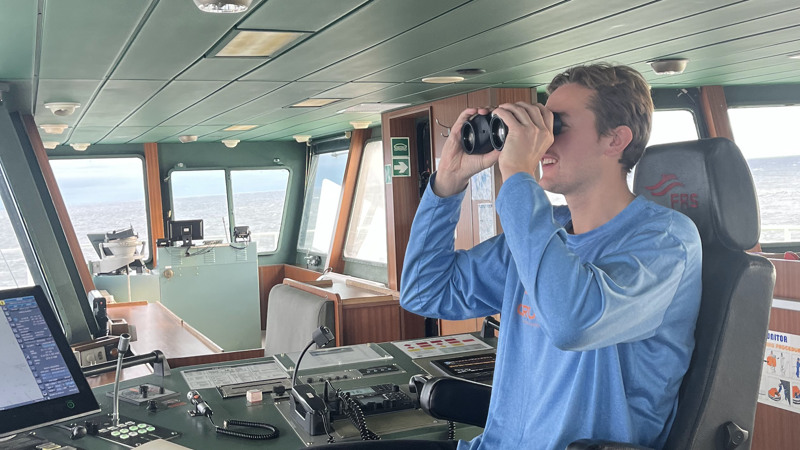
“We want to show the benefits that wind technology might bring to other ship types – in this case, cruise vessels,” says Lukas Blau, Design Manager and Naval Architect at Wallenius Marine.
Adapting wind propulsion to a new operational profile
Wallenius Marine’s work in wind propulsion laid the foundation for Oceanbird, the innovative wing-sail concept. The idea is not tied to any specific vessel type, but while wind solutions are typically discussed for cargo ships, cruise operations differ markedly.
“Cargo vessels sail for days or weeks until they reach the next port and then leave as soon as the cargo is on board. Salén’s cruise ships spend about 50 per cent of their time in ports or at anchor. They visit a new place every day – sometimes two – and drift in scenic areas. Their entire operational profile is different, and we need to take this into consideration when evaluating the value of wind on board,” Lukas explains.
When ship design meets operational reality
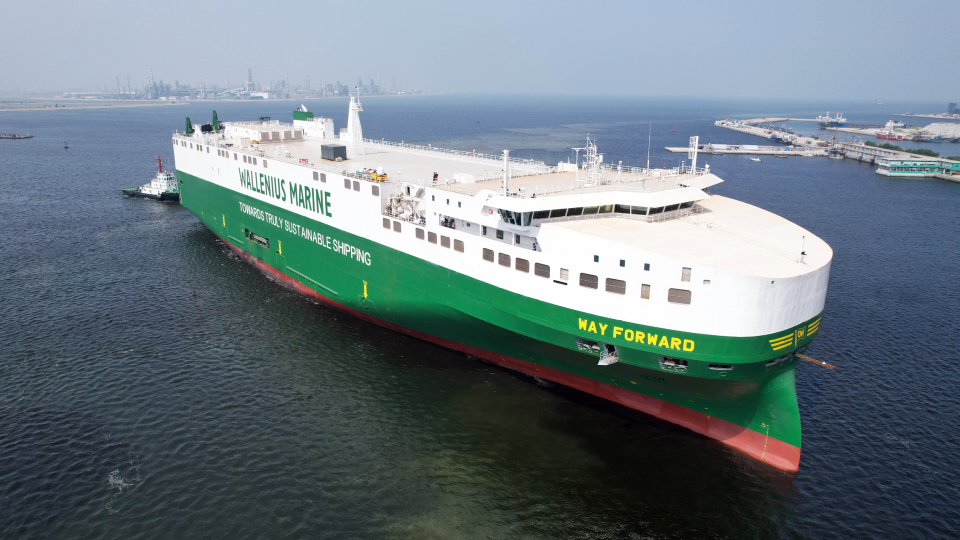
And where Pure Car and Truck Carriers vessels PCTC) can place large wing sails on the open upper deck, cruise ships need that deck space to provide recreational areas and amenities for passengers. Using the schedule of the expedition cruise vessel Hebridean Sky, together with its routes, service speeds and prevailing winds, the team simulated the power, fuel and emission savings the wings could deliver over a full year of operation.
Measurable fuel savings – even on short routes
The findings were encouraging. Fuel savings could reach up to 9.2 per cent on average, with the highest gains in Nordic waters and the lowest in regions such as the Mediterranean and the Indian Ocean.
“Although we are used to slightly higher percentage savings on wind-assisted cargo vessels, 9 per cent is a significant number in shipping,” says Lukas.
For Salén, the collaboration opened up new possibilities.
“I was surprised to see that wind offered benefits even on our shortest legs – even when sailing around Sicily,” says Anders Karlsson, Technical Director at Salén Ship Management.
A case study shaping future ship and vessel design choices
Katarina Salén, CEO Salén Ship Management believes their passengers – nature-oriented expedition travellers – would welcome wing sails on board. “Our vessels have classical yacht lines. Sails fit the aesthetic, and they fit the mindset.”

The study also examined alternative fuels. Biodiesel and green methanol emerged as the most realistic options – a reassuring result for Salén, who had been exploring the same route. CEO Katarina Salén describes the collaboration as unexpectedly inspiring.
“I first came across wing sails when I saw an image of them at the Wallenius Marine office, and I was instantly fascinated. After speaking with their engineers, they came back to me with the idea of doing a case study — something I never expected. The team has done a tremendous job. This has become a valuable case study, and it represents one of the paths forward.” says Katarina Salén, CEO at Salén Ship Management.
The Naval Architect’s perspective: designing for a changing industry
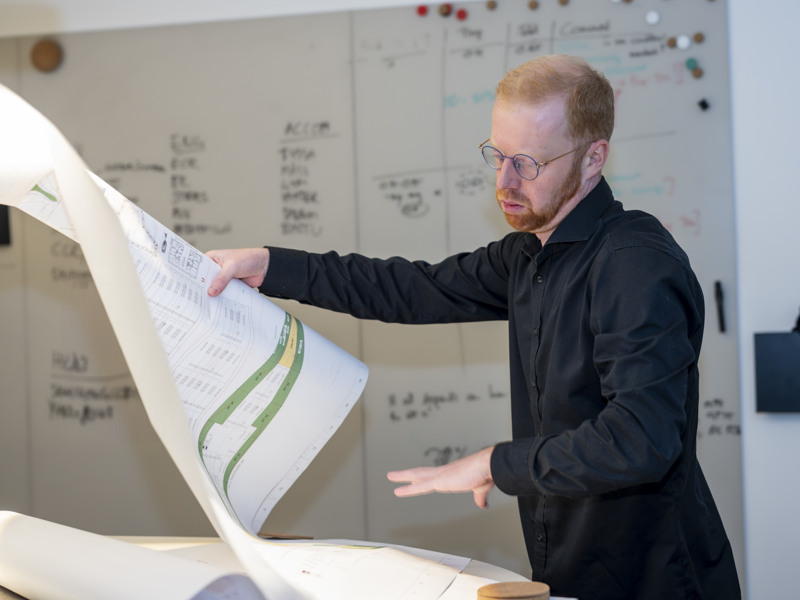
For both partners, the project delivered more than data. “It was a true win–win. We learned about cruising; Salén learned about wind. And without their input, we wouldn’t have had such a realistic, operational case to contribute to the research project.” Wind may not turn every cruise ship into a sailing vessel – but it has now firmly entered the toolkit for future designs.
Wallenius Marine is now moving into new research on short-sea RoRo vessels.
“Our mission is to find solutions that contribute to more sustainable shipping. It’s the right thing to do – and soon, those who don’t adapt will be left behind,” says Lukas.
From expedition cruising to transatlantic RoRo: wind as a core design principle
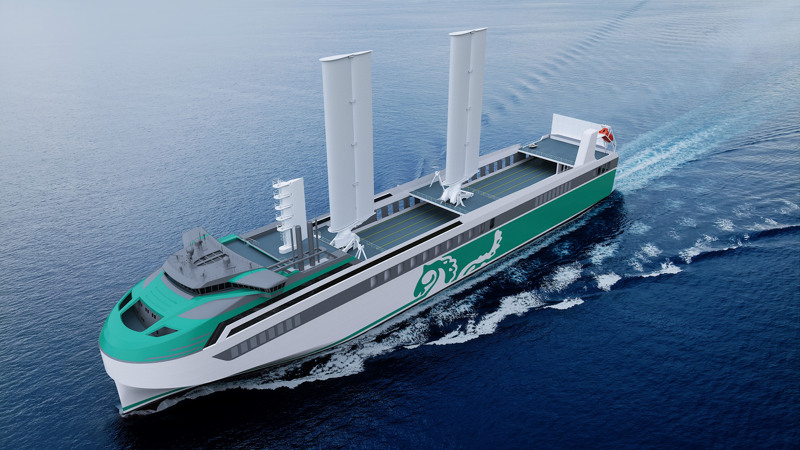
While this case focused on expedition cruising, the implications reach far beyond this segment. Wallenius Marine is already applying these insights in the development of its wind-assisted RoRo concept Sleipner – a next-generation vessel designed for efficient transatlantic car and cargo transport with dramatically reduced climate impact. Read more about Sleipner RoRo here