From engineering studies to the shipyard in China – Jesper’s trainee journey
What’s it really like to take the step from university into the maritime industry? For Jesper Adolfsson, it has meant combining engineering, problem-solving and hands-on experience – both onboard and at shipyards across the world.
Jesper didn’t originally plan for a career in shipping. When he started at the KTH Royal Institute of Technology, Stockholm, his goal was to work in automotive development. But a course in marine systems during his third year changed everything.
“I decided to give it a try – and got hooked straight away. What drew me in was the variety. You’re constantly working with different types of challenges, which makes it both stimulating and rewarding.”
Today, Jesper is a Naval Architect and part of Wallenius Marine through the Lighthouse trainee programme.
An experience far beyond the office
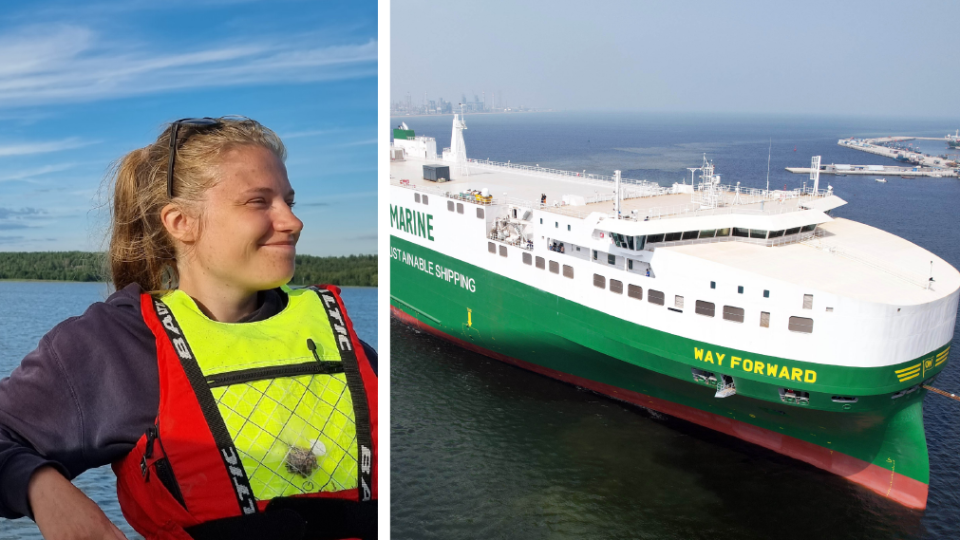
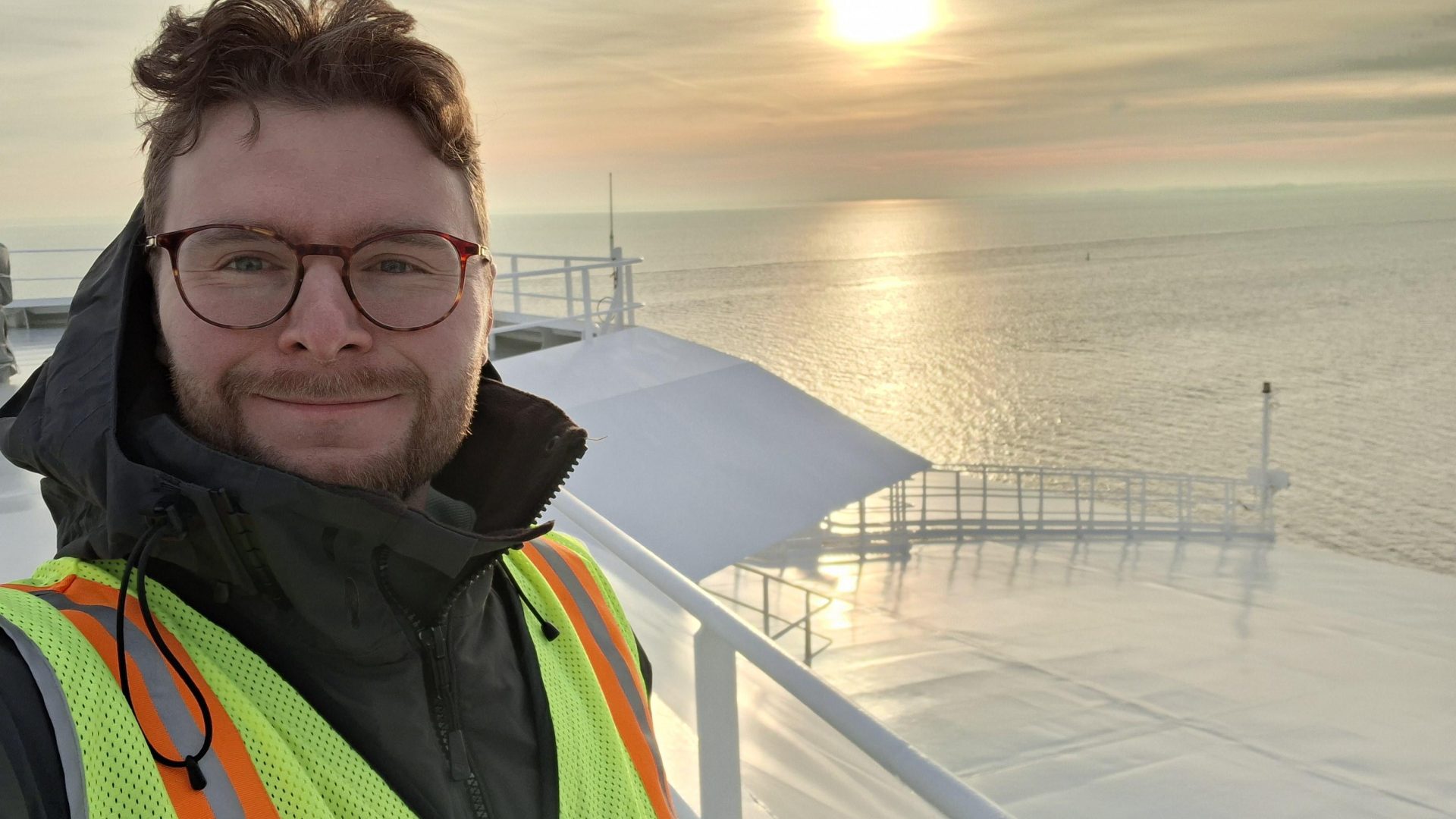
Jesper’s trainee experience has gone far beyond the office. A key part of the journey has been getting out into the field – experiencing firsthand how vessels operate and how they are built. He has joined vessels such as Future Way and Baltic Enabler to better understand onboard operations.
I got insight into cargo operations and how work is structured onboard. Before each visit, I prepared by reading up on SOLAS, ICLL and ice class regulations to connect theory with practice. Those experiences were incredibly valuable.
He also spent nearly two weeks at a shipyard in China, following the construction of new vessels.
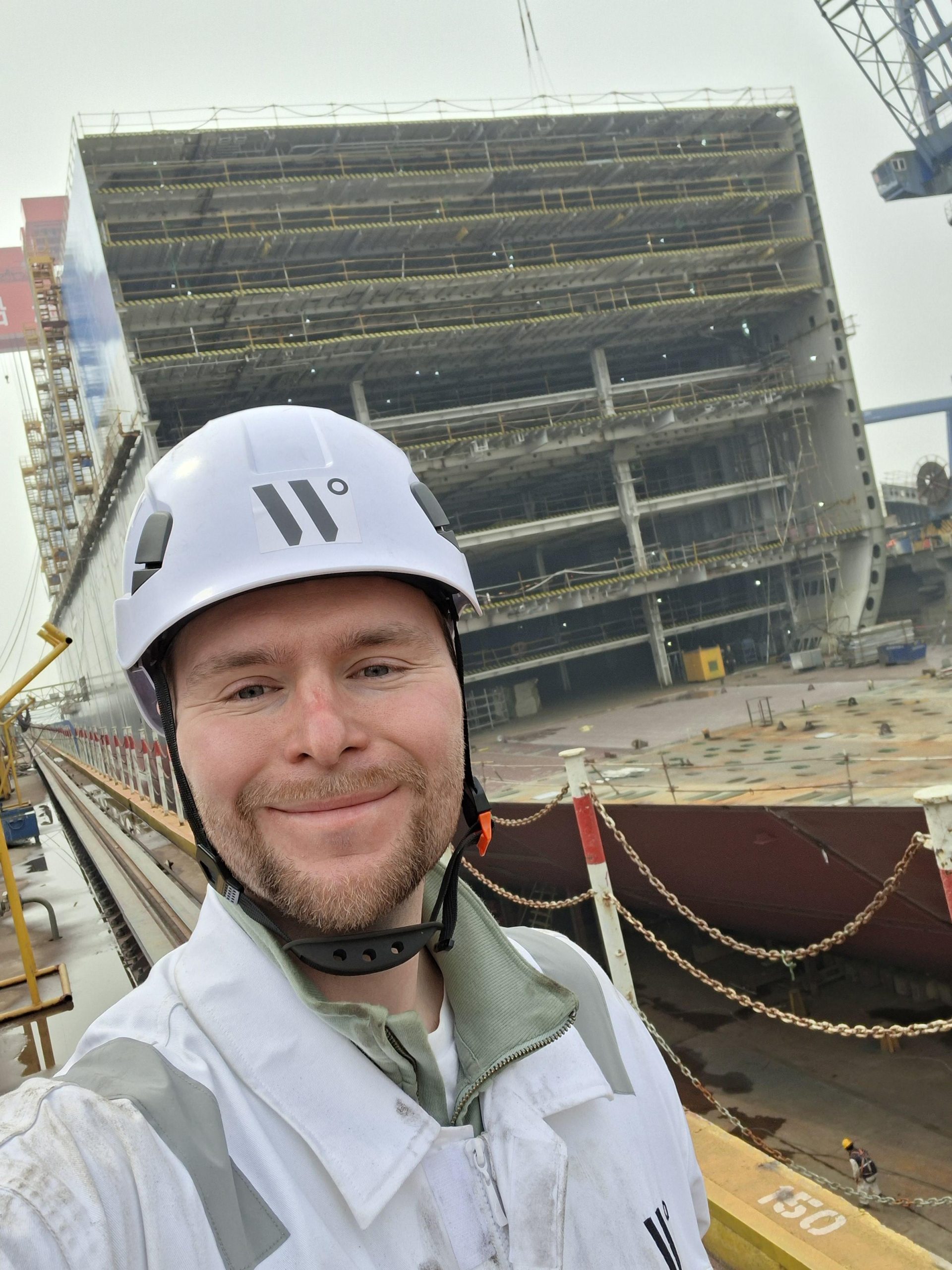
Being on site makes a huge difference. As a Naval Architect, understanding how designs are actually realized is essential. It’s something you simply can’t learn from drawings or presentations alone.
During the visit, Jesper identified a deviation in the vessel’s watertight subdivision – something that could then be addressed within the project.
“It was rewarding to contribute to a real, ongoing project – especially since I am only a trainee”, says Jesper.
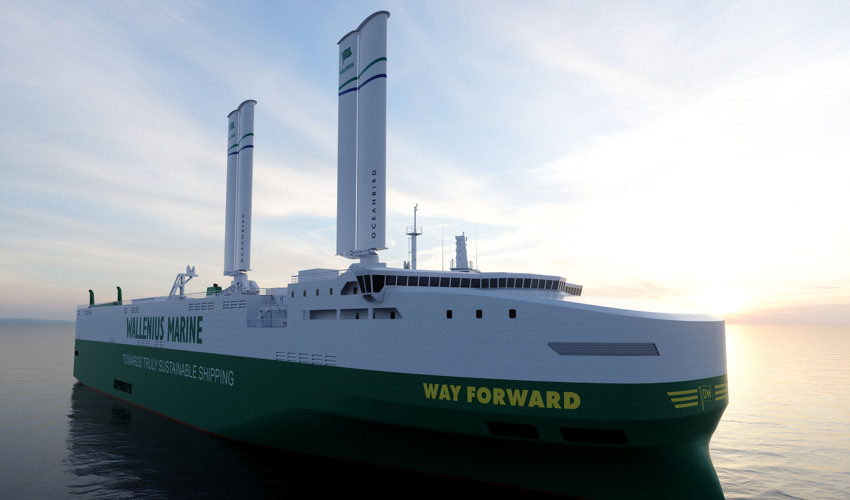
Driving change in a transforming industry
Shipping is sometimes described as a conservative industry. Jesper sees it differently.
“During my studies, I was often told to look elsewhere if I wanted to work with sustainability. But I believe the opposite is true – this is where you can make a real impact.”
He points to the many ongoing initiatives aimed at reducing emissions and improving energy efficiency.
“If we want to maintain global trade, shipping will remain essential – but it needs to evolve. And it already is.”
At the same time, he acknowledges the complexity.
“The solutions are often there, but the industry operates under strong commercial pressures. Maximizing cargo and efficiency is crucial, which naturally affects how quickly change can happen.”
Looking ahead, he sees strong potential in new regulations and continued innovation in vessel design.
“As frameworks evolve, they can unlock entirely new solutions – from hull design to propulsion and energy systems.”
He also emphasizes that progress is already underway.
“In many cases, we know what needs to be done. The challenge is making it viable in practice – both technically and economically.”
A career with room to grow
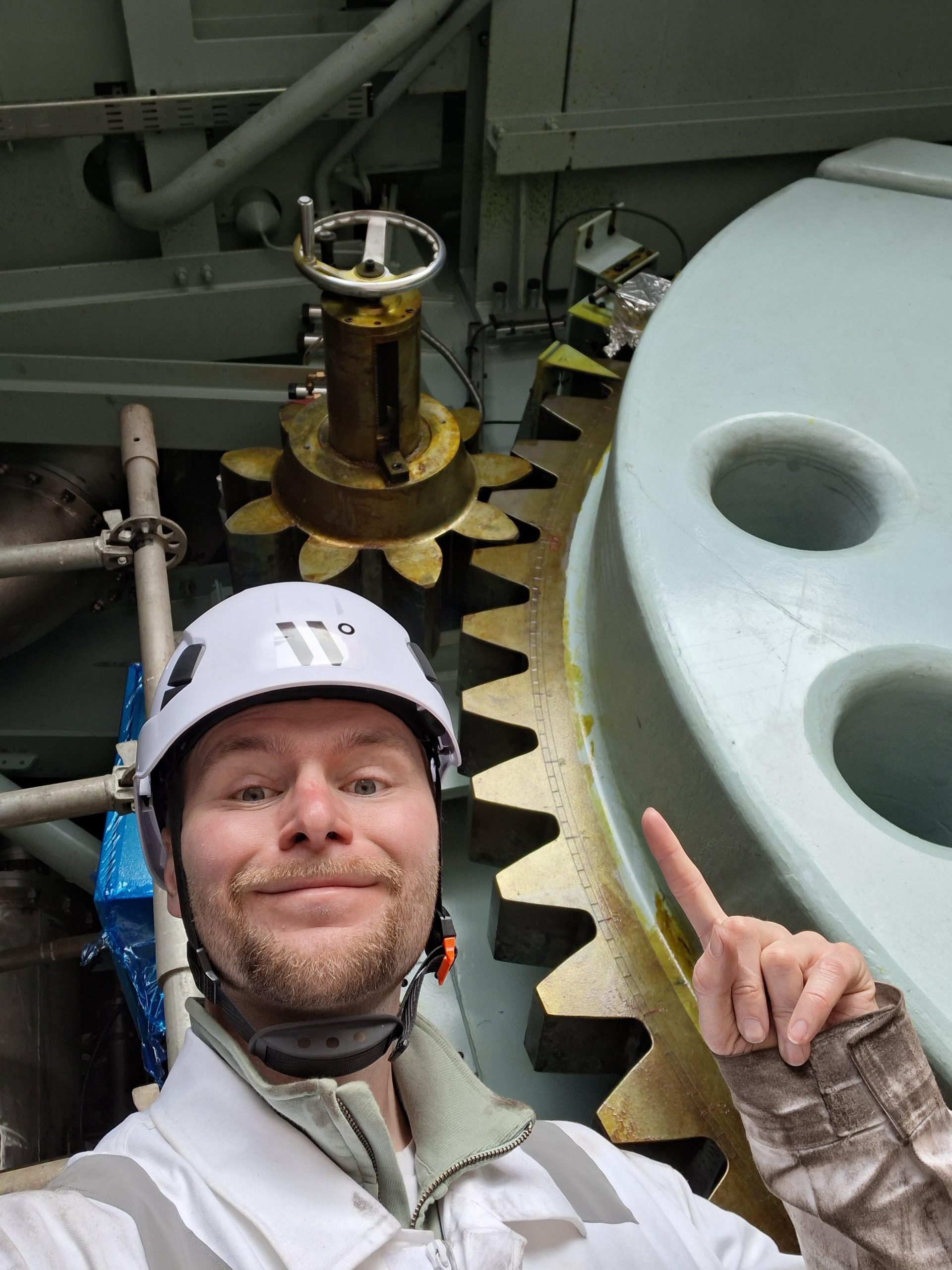
“Just go for it. It’s an industry with incredible variety. It’s smaller than you think, which makes it easy to build connections and understand the bigger picture – but at the same time, it offers endless opportunities to specialize and grow.”