When more than 500 drawings will become a ship
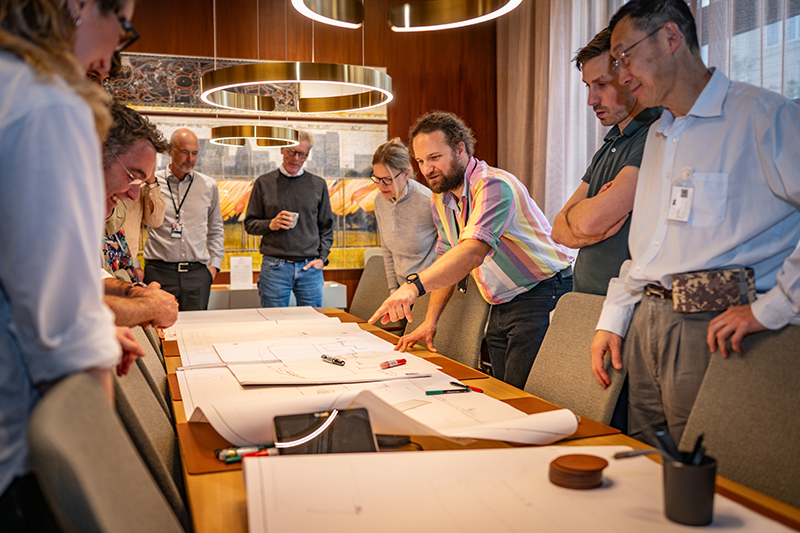
Wallenius Marine reviews more than 500 drawings for UECC’s new vessel series. When one of Europe’s leading short-sea shipping companies orders four new car carriers, every technical detail needs to be checked — hundreds of drawings, discipline by discipline — to make sure the ship that gets delivered actually matches what was ordered.
“The drawings are where many of the critical decisions are made. Our role is to make sure the solutions work as a whole — both technically and in day-to-day life on board. That takes both experience and specialist expertise.” says Dan Reineck, Design Manager, Wallenius Marine
The order
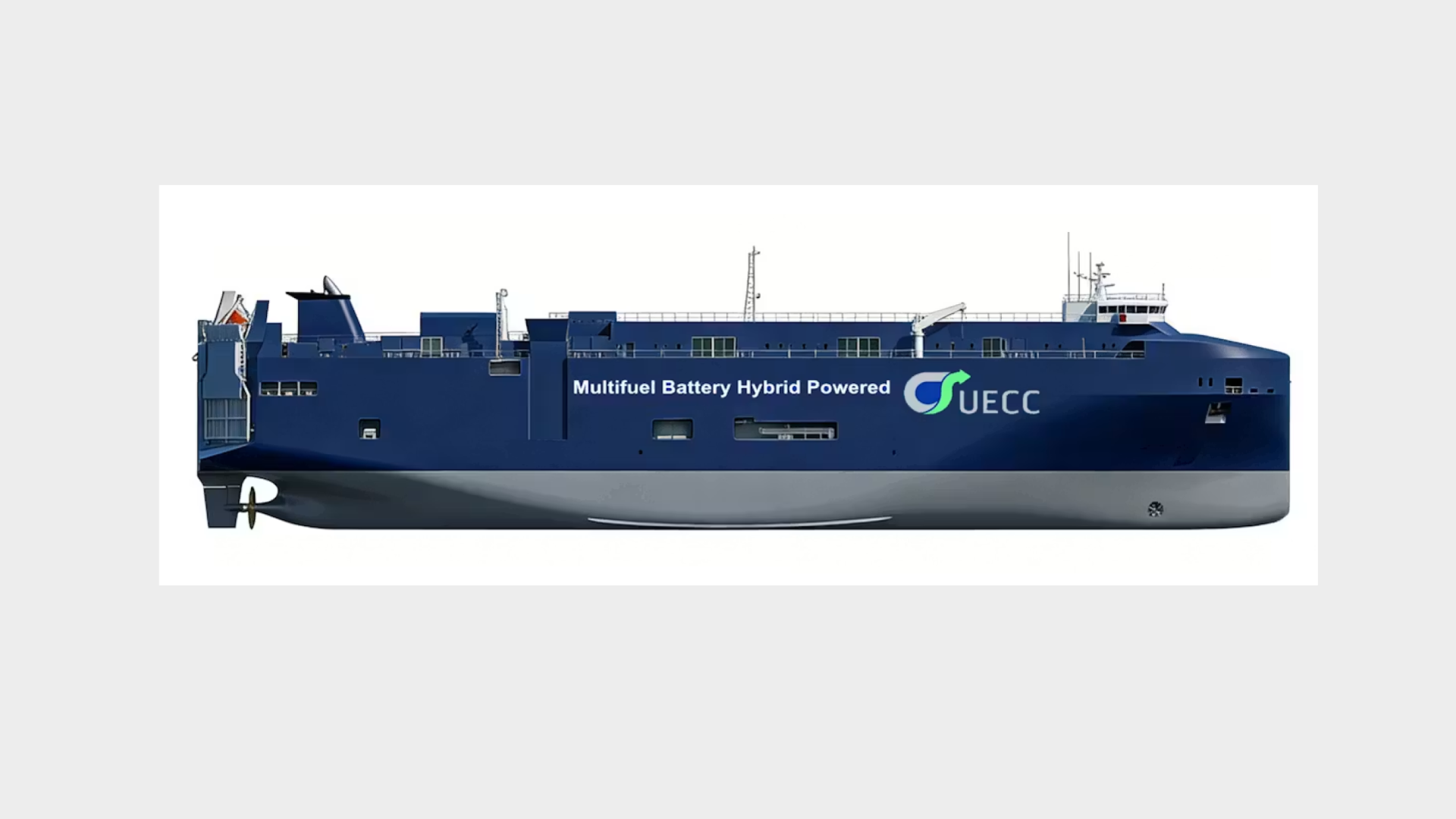
On 3 March 2026, United European Car Carriers (UECC) announced it had signed a contract for two additional Pure Car and Truck Carriers (PCTCs) from China Merchants Jinling Shipyard in Nanjing. The series now totals four new vessels: two of 4,500 CEU and two of 3,000 CEU, with deliveries starting in early 2028.
The ships are designed by Shanghai Ship Research & Design Institute (SDARI) and combine LNG propulsion with multi-fuel capability and energy-efficient design.
From early design choices to ongoing review
Even before the contract with the shipyard was signed, Wallenius Marine, working on behalf of UECC, began validating the ship concept to confirm it met UECC’s requirements.
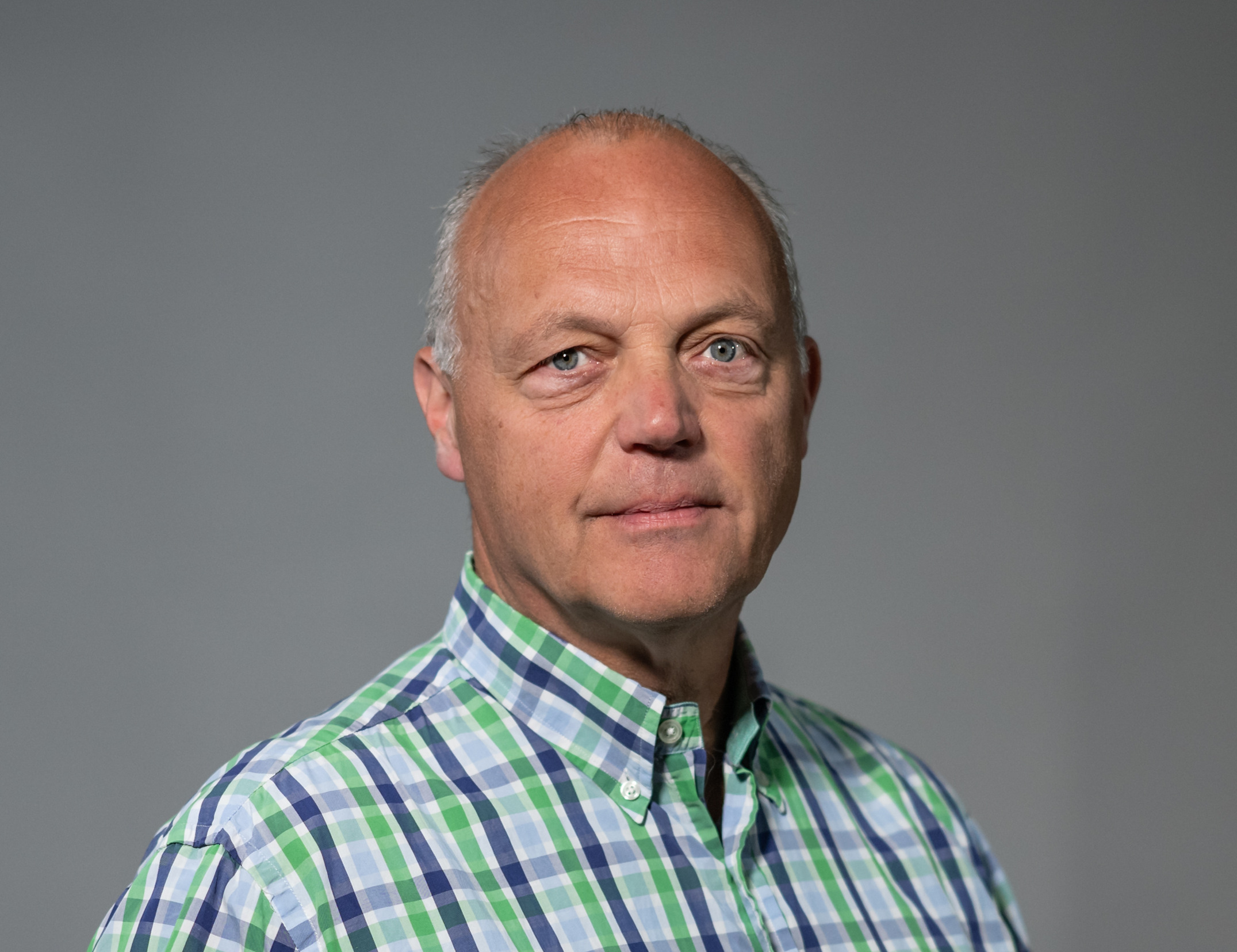
“At this stage we bring in several specialist areas. We look at everything from hull and layout to propulsion, electrical systems and automation to make sure the whole picture works,” says Dan Reineck.
Equipment and supplier selection for key onboard systems is led by UECC Project Manager Jan Thore Foss, with support from the Wallenius Marine design team. Once the basic design is set, the work moves into more detailed review, which during the construction phase develops into the engineering drawings the shipyard will actually build from.
The drawing review covers areas including
- hull structure
- propulsion and machinery
- electrical power and distribution
- automation and system integration
- stability and cargo systems
- navigation and communications
- interior design and working environment
Intensive and complex
It is intensive, complex work where many parts are reviewed simultaneously — often with dependencies between them. That demands coordination, pace and precision.
“In this project we handle hundreds of drawings in parallel. Each discipline reviews its own part — but the critical questions are often found at the interfaces: between machinery, electrical and automation systems, or in how installations affect operations and the working environment on board. The challenge is rarely in a single drawing. It’s in how everything connects. The interfaces are where things need to be resolved,” says Dan
The work happens in close dialogue with the shipyard, with drawings reviewed, commented on and revised through multiple rounds — running in parallel with the classification society’s approval process. All drawing management is handled in the system My Project, which brings structure to the workflow and makes it possible to track status, discussions and decisions.
Wallenius Marine has played a similar role in earlier newbuilding projects for UECC, including the E-class and A-class programmes.
“This is work that rarely gets seen from the outside. It’s many hours and a lot of detail — but it’s absolutely critical to making sure the ship actually turns out right.” says Dan
While the work itself happens behind the scenes, its impact is anything but invisible. Getting the details right at this stage lays the foundation for vessels that perform as intended — not just on paper, but in real operations at sea.
As ships become more advanced and interconnected, this kind of cross-disciplinary expertise is becoming increasingly critical to delivering vessels that are ready for the demands of modern shipping.
Learn more about our Ship Design services